PLAN THE HOUSEHOLD DETAILS
How to Prepare for Roof Repair or Replacement
Prepare for roof work by confirming the approved scope, access plan, household arrangements and contact person before the crew arrives. Ask the contractor what must move, which areas must stay clear and how weather or newly exposed damage will change the plan.
Begin with the approved roofing work and the daily contact
Keep a copy of the scope you accepted and confirm who will answer questions during the job. The person receiving your first enquiry may not be the person supervising the work. Ask for the appropriate contact and how you should communicate if something unexpected appears.
Review which parts of the property are included. A repair to one penetration, a partial covering repair and a full replacement need different preparations. Ask whether attic access or another indoor area is expected to be needed and who should be present if access is required. Do not assume the contractor needs unrestricted access to the home.
Separate a request from a scheduled project
Submitting a website form is not an appointment or permission to begin work. Confirm the inspection arrangements, written scope and schedule directly with SureClaim. If you are still deciding whether work is needed, keep the preparation limited to safe photographs, repair history and access information for the assessment.
Agree on vehicles, deliveries and a clear access route
Ask where the crew expects to park, where materials may be delivered and what access is needed for removing waste. Discuss the driveway, gates and any route that household members need to keep using. If a vehicle must be available during the work, agree on a place that does not depend on crossing the active work area.
GAF’s homeowner preparation guidance identifies vehicles, landscaping and space for waste disposal as practical planning items. Its broader checklist also recommends coordinating roof-mounted equipment with the relevant service providers. Use those as prompts, then ask the contractor how they apply to your actual layout.
Describe constraints before delivery day
Tell the contractor about a narrow driveway, a shared access, a locked gate or an area you do not authorize vehicles to use. Ask whether a proposed staging location affects your ability to leave the property. A photograph of the access route can help explain the question, but the contractor must confirm whether the arrangement works.
Do not move equipment, climb onto a roof or clear an unsafe area to make access possible. Ask the contractor to identify what preparation is appropriate for the homeowner and what belongs to the professional work plan.
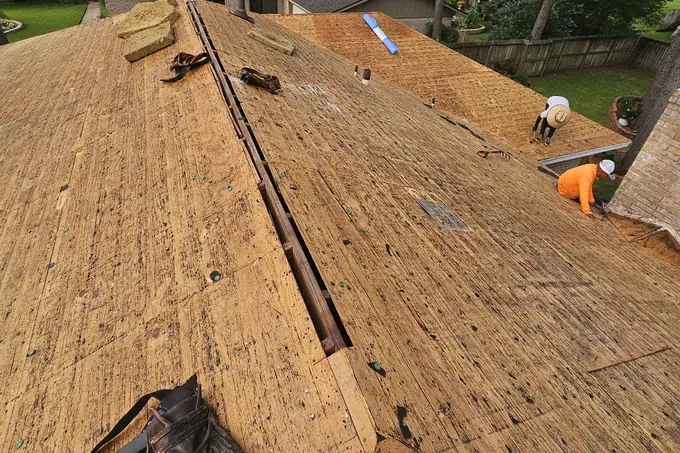
Plan around children, pets, work and mobility needs
Think through who will be home and which doors or paths they normally use. Ask the contractor which areas should remain clear and how people will know where work is taking place. Share any mobility needs that affect the plan rather than waiting until a familiar route becomes unavailable.
For pets, arrange a secure location that does not require opening a work-area gate. For children, plan a place away from the activity and explain which adults will control access. If you work from home, ask about the likely nature of the activity and decide whether another location is more practical. No universal level of noise or exact work duration can be promised here.
Make the household plan specific
“We will stay out of the way” is less useful than an agreed door, path and contact person. If the household needs to leave and return during the day, confirm how to do that safely. Ask the contractor before entering any area that has been isolated for work, even if the crew appears to have stepped away.
Discuss landscaping, belongings and property protection
Identify items near the proposed work: movable furniture, planters, grills, decorations or belongings stored beside the house. Ask which should be moved and which the contractor plans to protect. Do not assume every item near the roof edge will be covered or that every protective method is suitable for every surface.
Photograph existing conditions in areas that matter to you and tell the contractor about delicate features or known access concerns. Keep the conversation factual: what is there, what may need protection and who will handle it. A brief written note is easier to rely on than a memory of a hurried walkthrough.
Ask before touching attached equipment
If a satellite dish, solar installation or other service equipment is involved, ask who is qualified and authorized to deal with it. Coordinate with the relevant provider rather than disconnecting it yourself. Confirm whether that work is part of the roofing agreement or requires a separate arrangement.
Know what happens if weather or concealed damage changes the job
Before work begins, ask how the contractor decides whether conditions are suitable and who communicates a changed start date. Once the roof has been opened, ask what protection plan applies if the sequence needs to change. You are seeking a clear explanation of responsibility, not a guarantee that weather cannot interrupt a project.
Discuss concealed conditions separately. If the contractor proposes more work after exposing the assembly, ask for the evidence, revised scope and approval process. Have a reachable decision-maker identified for the household. Avoid leaving the crew without a contact while also avoiding permission for unspecified changes.
Include permits and inspections in the plan
Ask who is handling the approvals or inspections applicable to the defined work and property. Confirm whether an inspection affects the sequence. If newly proposed decking work changes the scope, revisit the applicable requirements rather than assuming an early answer still covers the whole job.
Prepare a completion walkthrough and document folder
Ask what the contractor will review with you when the work is complete. Keep the accepted scope, approved changes, photographs provided, product information and written terms together. If an inspection or certificate applies, ask where its record will be available and who will provide the reference.
| Before the work | Before closing the project |
|---|---|
| Confirm access and protected areas. | Review those areas and raise any concern. |
| Identify the authorized scope. | Match completed work to scope and approved changes. |
| Agree on waste and cleanup responsibilities. | Ask what cleanup has been completed and any remaining precautions. |
| Ask what documents apply. | Collect the relevant records and contact details. |
Do not climb onto the roof to carry out your own completion inspection. Ask for photographs and an explanation of the work from an appropriate safe location. If something remains unclear, describe the question to the responsible contact before assuming that a technical detail is either defective or complete.
Tell SureClaim what your property needs before arrangements are made
A helpful enquiry describes the roof problem and the practical constraints together. Mention an active leak, previous repair attempts, access restrictions or household needs that affect a visit. You do not need to decide how the crew should perform the repair.
For a water-entry problem, request a roof leak assessment through SureClaim. If the condition has already led to a replacement discussion, ask about the replacement scope and the preparations it will require. SureClaim confirms arrangements directly after reviewing the request.
This independent website does not set a crew schedule, reserve access equipment or promise specific protection or cleanup practices. Use the questions above to get the actual plan agreed before the project starts.
BEFORE YOU DECIDE
Answered Questions
Should I move my car before roofing work starts?
Ask the contractor about parking, deliveries and waste access before the agreed work date. Make sure any vehicle you need can be used without entering the work area.
Do I have to leave home during the work?
Discuss your household’s needs, access and the activity expected for the specific project. No single arrangement fits every repair or replacement.
Can I disconnect a roof-mounted dish or solar equipment myself?
Arrange this with the relevant qualified service provider and roofing contractor. Do not treat it as a general homeowner preparation task.
How should I check the finished roof?
Request photographs and a safe walkthrough or explanation from the contractor. Do not climb onto the roof to inspect the work yourself.
A CLEAR NEXT STEP
Tell us what’s happening with your roof.
Request a no-obligation inspection from SureClaim. They’ll confirm the scope, options and availability with you.