CHOOSE THE WHOLE ROOF SYSTEM
Choosing Shingles for a Roof Replacement
Choosing replacement roof shingles starts with a suitable replacement scope, then the exact product, compatible roof components and written installation and warranty terms. Compare appearance after those requirements are understood, and ask what the proposed system includes for your property.
Confirm replacement is the right scope before selecting shingles
A shingle sample cannot tell you whether the house needs a new covering. Begin with the roof condition and the reason for replacement. Ask whether the problem is localized, what surrounding material was assessed and why the proposed scope is appropriate. A leak by itself does not establish that every slope must be replaced.
If replacement is supported, ask what roof areas are included and what will happen to the existing covering. Clarify whether attached roofs, lower sections or distinct materials belong to the same proposal. Product selection is easier once the project boundary is clear.
Identify any unresolved conditions
If decking, transitions or other components cannot yet be fully assessed, ask how that uncertainty is handled. You can choose a product while leaving a documented process for concealed conditions, but an unknown should not disappear from the agreement just because a color has been selected.
Ask for the manufacturer and exact shingle product
Request the full manufacturer and product name in the written proposal, not just a general description such as architectural shingle or premium roof. Ask for the current product information and installation instructions that apply to the proposed selection. These let the roofer explain the product rather than relying on a brochure adjective.
Manufacturer documents are product-specific. Do not assume a technical statement about one shingle establishes the same specification for every product sold under that brand. If the contractor proposes a substitution, ask what changes in the product, appearance, applicable requirements or written terms before agreeing.
Keep the product decision traceable
Save the selected name, color and relevant product documents with the roofing proposal. Ask how you will be told if availability changes. A named selection creates a useful decision record, while “similar material” leaves important questions unresolved.
This site does not claim that SureClaim supplies every manufacturer or product mentioned in educational sources. Ask the provider which options are available for your project.
Understand three-tab, architectural and designer shingles
Asphalt shingles differ in construction and appearance. GAF’s shingle-type guide distinguishes three common categories. Three-tab shingles use a single layer with cuts that create three tabs and a fairly flat, regular pattern. Architectural shingles, also called dimensional shingles, laminate multiple asphalt-coated fiberglass layers to create more depth and variation. Designer shingles use more distinctive shapes and profiles to suggest materials such as slate or cedar shake.
Those names describe categories, not a complete performance specification. A designer appearance does not by itself establish an impact rating, and “architectural” does not identify a particular wind warranty. Ask for the exact product document behind any performance claim.
Compare the shape and system you are actually offered
Ask which category the proposed product belongs to, how its profile will look across your roof and which accompanying starter and ridge products belong to the proposal. For a partial project, ask how it will meet the retained covering. If you prefer one category, discuss that preference without assuming the contractor supplies every type. The available choices and suitability need confirmation for this property.
Compare shingles together with accessories and roof details
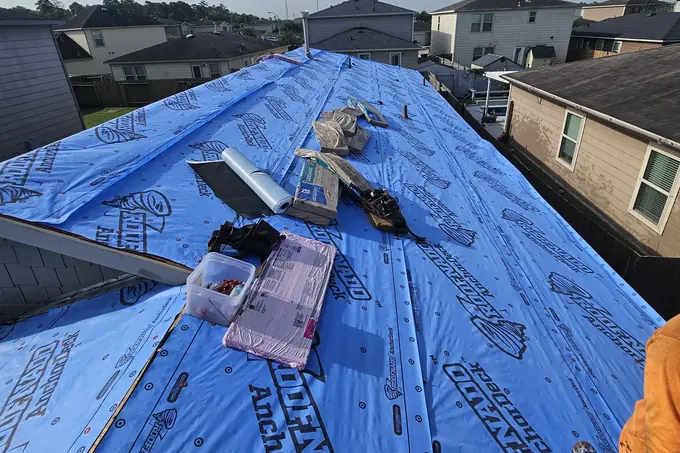
A roof proposal should explain more than the pieces visible from the street. Ask about the proposed underlayment, starter material, ridge caps, edge details, flashing and ventilation work where relevant to the property. Determine which existing components will remain and which will be replaced.
The technical repair examples in GAF’s guidance show that adjacent shingles and seal bonds can matter when a covering is disturbed. That is one reason to ask for a system-specific explanation rather than selecting a shingle in isolation. The applicable installation documents and observed roof conditions should guide the contractor’s answer.
Ask about transitions before choosing upgrades
Tell the roofer about recurring leaks at a wall, chimney, vent or other interruption. Ask how that detail is included in the replacement scope. Spending more on a shingle selection should not replace a discussion about the water-entry detail the project is meant to address.
If a proposal includes changes to ventilation or another system component, ask what assessment supports that change and which work is included. Do not treat every optional product in a brochure as automatically required for your house.
Keep wind classification, impact descriptions and warranty terms distinct
Ask what each performance statement actually refers to. A classification from a test, a manufacturer's limited warranty and an insurer’s decision are different things. An attractive label should be explained with the exact product document and the conditions relevant to the project.
An Owens Corning technical bulletin, for example, explicitly distinguishes shingle wind classifications from shingle wind warranties. That distinction is useful when reading specifications; the bulletin does not establish that a particular product is appropriate for your roof or that SureClaim offers it.
Ask the insurer about insurance questions
If an impact designation or other product feature affects your purchasing decision because of expected insurance treatment, ask your insurer about the exact product and policy. No discount, eligibility or coverage outcome is promised here. Have the roofer explain the construction specification and have the insurance contact explain the policy question.
Review appearance using an identified product and color
Once the technical scope is defined, ask to see the actual proposed product and color reference. Consider how the roof will look with the house’s permanent materials rather than relying on a small screen image alone. Ask the contractor what sample or viewing method is available and how closely it represents the selection.
For a partial project, discuss the appearance of the new area beside retained roofing. Do not assume a product name or color label guarantees an invisible match to material already on the house. Ask how any expected difference will be explained before the work is approved.
Make a deliberate change if you want a different look
If you choose a different color or profile, have that selection reflected in the project documents. Ask whether any association or other property-specific approval needs to be addressed separately. The contractor’s acceptance of a color choice does not establish permission from another responsible party.
Read the warranty documents before relying on the headline
Ask which written warranty accompanies the proposed materials and which written terms address the contractor’s work. Identify who is responsible for each, what records you must retain and what steps are required to raise a concern. A long headline period is not enough to compare the actual terms.
Request clarification of product eligibility, required components, registration or other conditions if they apply. Do not infer contractor certification or enhanced coverage from a manufacturer's logo. Ask for evidence of the particular status or offered warranty when it is relevant to the proposal.
| Selection question | Useful written answer |
|---|---|
| What shingles? | Manufacturer, product and color. |
| What supporting materials? | Included components and retained details. |
| What installation basis? | Applicable product instructions and project requirements. |
| What terms? | Actual documents, responsible parties and relevant conditions. |
| What if the selection changes? | Substitution review and owner approval. |
Bring the selection questions to the replacement assessment
You do not need to select shingles before speaking with the roofer. Start with the roof concern, the property address and any documented repair history. Tell the provider which priorities matter to you, such as understanding system details, appearance or the written terms.
Request a residential roof replacement assessment through SureClaim when replacement is the proposed direction. If you are unsure whether it is necessary, begin with a roof inspection enquiry. Ask the provider to explain the repair or replacement decision before discussing optional material choices.
Baytown Quality Roofing is the independent enquiry website. SureClaim confirms project suitability, available products, arrangements and its actual proposal. This guide supplies questions to help you make a documented choice; it does not select a product for an unseen roof.
BEFORE YOU DECIDE
Answered Questions
Do I need to choose a shingle before requesting an inspection?
No. Start with the roof condition and proposed repair or replacement scope. Product choices can follow an assessment.
Is a wind rating the same as a wind warranty?
No. Ask what classification or test the product document describes and read the separate warranty terms for the actual selection.
Will impact-resistant shingles guarantee an insurance discount?
No discount is promised. Ask your insurer about the exact product, policy and any documentation it requires before relying on that expectation.
Does the shingle brand tell me everything included in the roof?
No. Ask for the named supporting components, retained details, installation basis and written project terms.
A CLEAR NEXT STEP
Tell us what’s happening with your roof.
Request a no-obligation inspection from SureClaim. They’ll confirm the scope, options and availability with you.